Float Valves for Water Tank Control
Float valves are an essential component in water systems where automatic level control is required. They regulate the flow of water into tanks, reservoirs and other storage units by using a float mechanism that rises and falls with the liquid level. When the water reaches a set point, the float closes the valve to stop incoming flow, preventing overfilling. When the level drops, the float opens the valve again, allowing the system to refill.
This simple, mechanical design provides dependable service without the need for external power or complex controls.
Construction and Materials
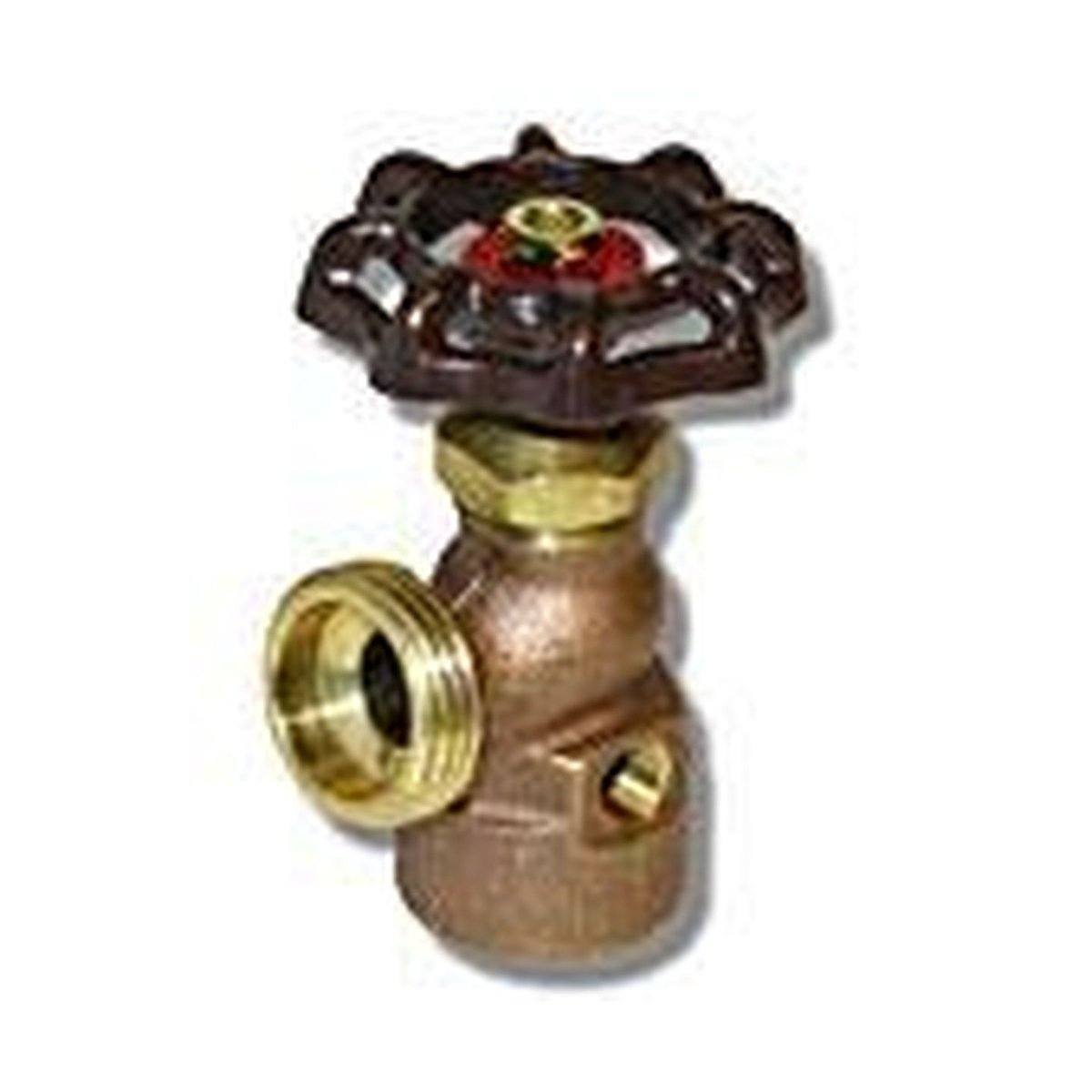
Float valves are commonly manufactured in bronze and brass, both of which offer durability and corrosion resistance in water applications. Bronze float valves are often preferred in industrial and municipal systems due to their long service life and ability to withstand demanding conditions. Brass float valves are widely used for water tanks, agricultural use and light industrial service where reliable shut-off performance is required.
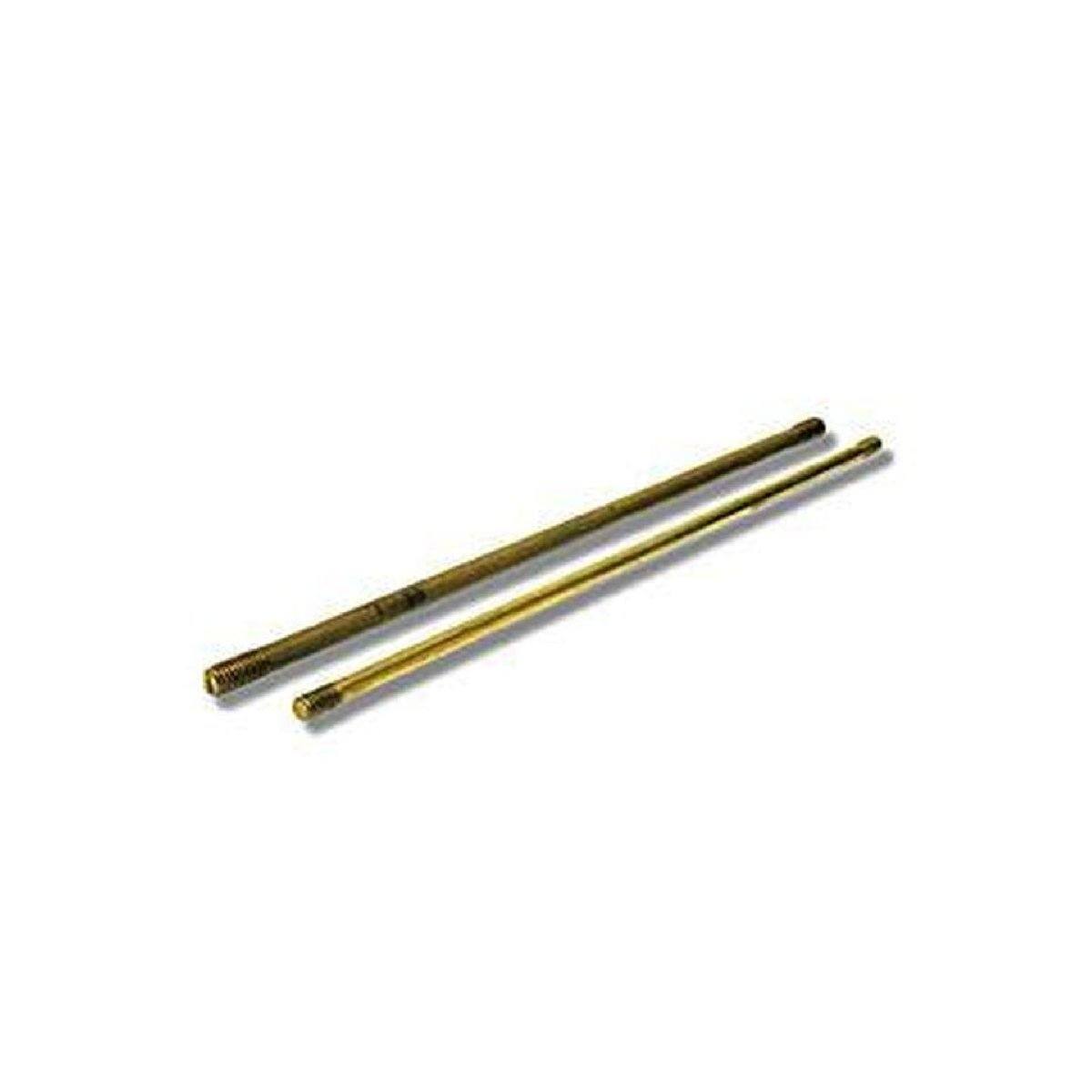
Many designs are threaded for easy installation, while others are available in flanged connections for larger pipelines and tank systems. Float rods and float assemblies allow precise adjustment of shut-off levels, helping maintain consistent water control. The float mechanism itself may be made of copper, stainless steel or other materials depending on the application.
Applications of Float Valves
Float valves are used in a wide range of industries and facilities across the United States:
-
Water tanks – Automatic filling and level control for domestic, agricultural and industrial tanks.
-
Municipal systems – Maintaining levels in reservoirs, treatment plants and pumping stations.
-
Cooling systems – Controlling makeup water in cooling towers and evaporative cooling equipment.
-
Irrigation and farming – Managing water supply for livestock tanks and storage basins.
The ability to regulate flow automatically makes float valves a dependable option for projects that need consistent liquid level management with minimal operator involvement.
Key Types Available
Within this category, buyers can find:
-
Bronze float valves – Built for heavy-duty service in municipal and industrial systems.
-
Brass float valves – Commonly used for water tank service in commercial and residential setups.
-
Water float valve for tanks – Available in multiple sizes to fit different tank and reservoir needs.
Specialized evaporator cooler float valves and adjustable float rods are also used in cooling and HVAC applications where compact design and accurate control are required.
Supply for Industrial Buyers
Trupply offers a selection of float valves suitable for municipal projects, industrial plants and commercial water systems. Whether you need a bronze float valve for long-term utility service or a brass float valve for a water tank, our collection includes products sourced to meet industry requirements for performance, durability and ease of installation.
FAQs
1. What causes float valves to fail or leak over time?
Common causes include debris buildup, worn seals, incorrect float adjustment, or operating pressure outside the valve’s rating. Regular inspection helps prevent overflow or incomplete shut-off.
2. Can float valves handle high inlet water pressure?
Yes, but the valve must be properly sized and rated for the system pressure. Industrial and municipal applications typically use bronze float valves designed to handle higher pressures and continuous operation.
3. Are float valves suitable for continuous-duty operation?
Yes. Float valves are designed for continuous and automatic operation, making them suitable for tanks, reservoirs, cooling systems, and process water applications.
4. How do I size a float valve correctly for my tank?
Sizing depends on tank capacity, inlet pipe size, flow rate, and pressure. An undersized valve may restrict flow, while an oversized valve can lead to poor shut-off performance.
5. Can float valves be installed in industrial cooling or evaporative systems?
Yes. Float valves are commonly used in cooling towers and evaporative cooling systems to control makeup water levels and maintain system balance.